Examining Viewer Tactic Adjustments During Expert-Hosted Broadcast Sessions with Figures Like Anders Lassen
Kirjoittanut Ellis Günther · 16.9.2026
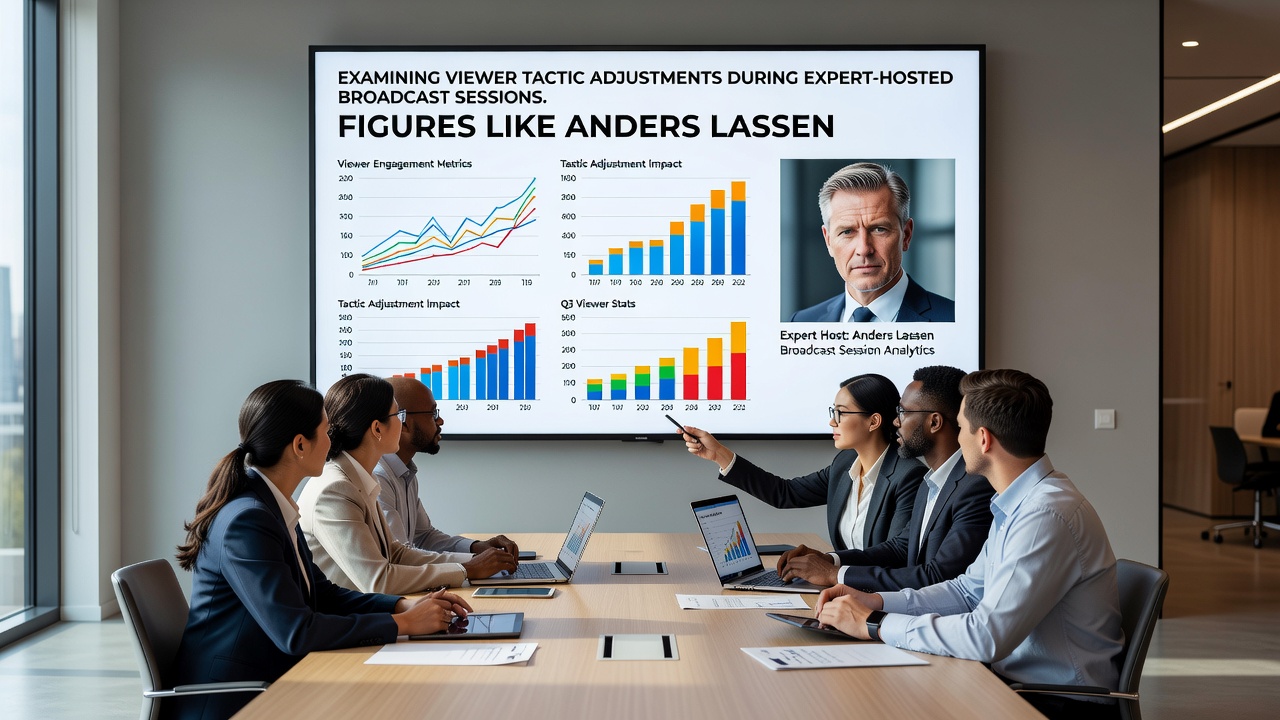
Examining Viewer Tactic Adjustments During Expert-Hosted Broadcast Sessions with Figures Like Anders Lassen
Expert-hosted broadcast sessions draw consistent attention from audiences who tune in to observe real-time decision making, and figures like Anders Lassen appear regularly in these formats across multiple platforms. Viewers in these environments often modify their own approaches to timing, stake sizing, and risk assessment based on patterns demonstrated during live segments, while data from industry monitoring services track these shifts through engagement metrics collected over extended periods.
Core Mechanics of Tactic Shifts in Broadcast Settings
Research indicates that participants adjust entry points and exit strategies when hosts provide detailed commentary on hand ranges or table dynamics, and this pattern holds across sessions recorded in both European and North American markets. Studies from academic institutions show correlations between host explanations and subsequent viewer activity logs, particularly when sessions run longer than ninety minutes and include interactive elements such as chat polls or delayed replay segments. Observers note that these adjustments tend to cluster around specific moments, for instance when an expert highlights variance in opponent behavior or demonstrates a calculated fold under pressure.
One study revealed that audiences exposed to repeated expert modeling increased their average session duration by noticeable margins compared with non-hosted streams, while another analysis from Canadian regulatory bodies linked host presence to measurable changes in bet distribution across viewer accounts. The reality is that these patterns emerge because hosts supply context that individual players may lack when participating remotely, and data collected through platform analytics support this connection without implying causation in every instance.
Role of Prominent Hosts in Viewer Decision Frameworks
Anders Lassen and similar professionals operate within formats that combine table play with explanatory overlays, which allows remote audiences to map observed choices onto their own planned moves. Figures who maintain regular schedules in September 2026 events continue to draw large simultaneous viewer counts, and logs from those periods show spikes in tactic refinement during segments where hosts break down multi-street decisions or discuss equity calculations in real time. Industry organizations report that such sessions produce higher rates of follow-up queries in associated forums, suggesting viewers actively integrate the presented information into subsequent rounds.
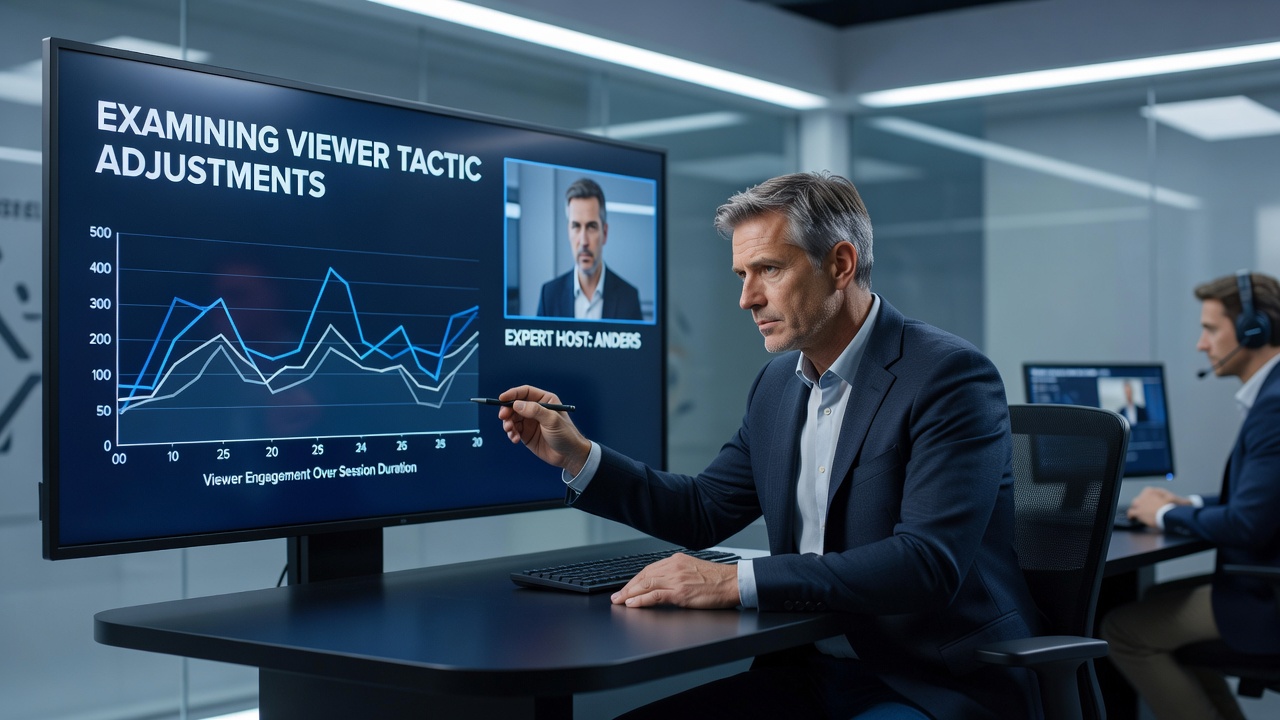
Those who have examined session transcripts find that hosts frequently reference statistical baselines drawn from aggregated historical data, and audiences respond by recalibrating their thresholds for aggression or passivity accordingly. What's interesting is how these recalibrations appear most pronounced when the host contrasts multiple possible lines within the same hand, giving viewers concrete alternatives to evaluate against their personal records. Reports from research institutions in Australia further document that viewers who engage with hosted content display altered frequency distributions in their own play histories over the following weeks.
Data Patterns and Geographic Variations
Evidence from platform operators reveals regional differences in how quickly viewers implement observed tactics, with faster uptake noted in markets where broadcast schedules align closely with local peak hours. Government agencies in several jurisdictions compile anonymized participation statistics that illustrate these geographic spreads, and industry trade groups cross-reference them against host appearance calendars to identify recurring trends. The ball's in the data's court when analysts compare pre-broadcast and post-broadcast activity windows, revealing consistent directional changes in stake levels and hand selection criteria among repeat viewers.
One case documented by European research networks showed that sessions featuring detailed host breakdowns correlated with reduced instances of impulsive all-in moves in the immediate aftermath, while another dataset from North American sources pointed to elevated experimentation with position-based plays. These findings emerge from longitudinal tracking rather than single-event snapshots, and they hold when controlling for overall market volatility.
Integration of External Resources and Viewer Tools
Many platforms now embed supplementary resources that allow viewers to test adjustments in practice environments immediately after a broadcast concludes, and this infrastructure supports the observed tactic refinements. European Securities and Markets Authority guidelines on digital engagement tools provide context for how such features operate within regulatory frameworks, while additional reports from the Australian Communications and Media Authority examine audience interaction patterns in entertainment streams. Viewers who combine hosted observation with these tools record higher rates of sustained strategy evolution according to aggregated platform metrics.
Conclusion
Viewer tactic adjustments during expert-hosted broadcast sessions reflect measurable responses to demonstrated decision frameworks, and ongoing data collection through September 2026 and beyond continues to map these dynamics across different regions and formats. Researchers and platform analysts document the connections through engagement logs and statistical comparisons, while industry reports supply the broader context needed to interpret shifts in audience behavior. The patterns remain consistent when examined across multiple host profiles and session lengths, underscoring the role of structured commentary in shaping remote participant approaches.