Shifts in Audio Cue Integration Within Expert-Led Broadcast Table Formats and Viewer Response Patterns in Roulette and Blackjack
Kirjoittanut Elena Peters · 11.11.2026
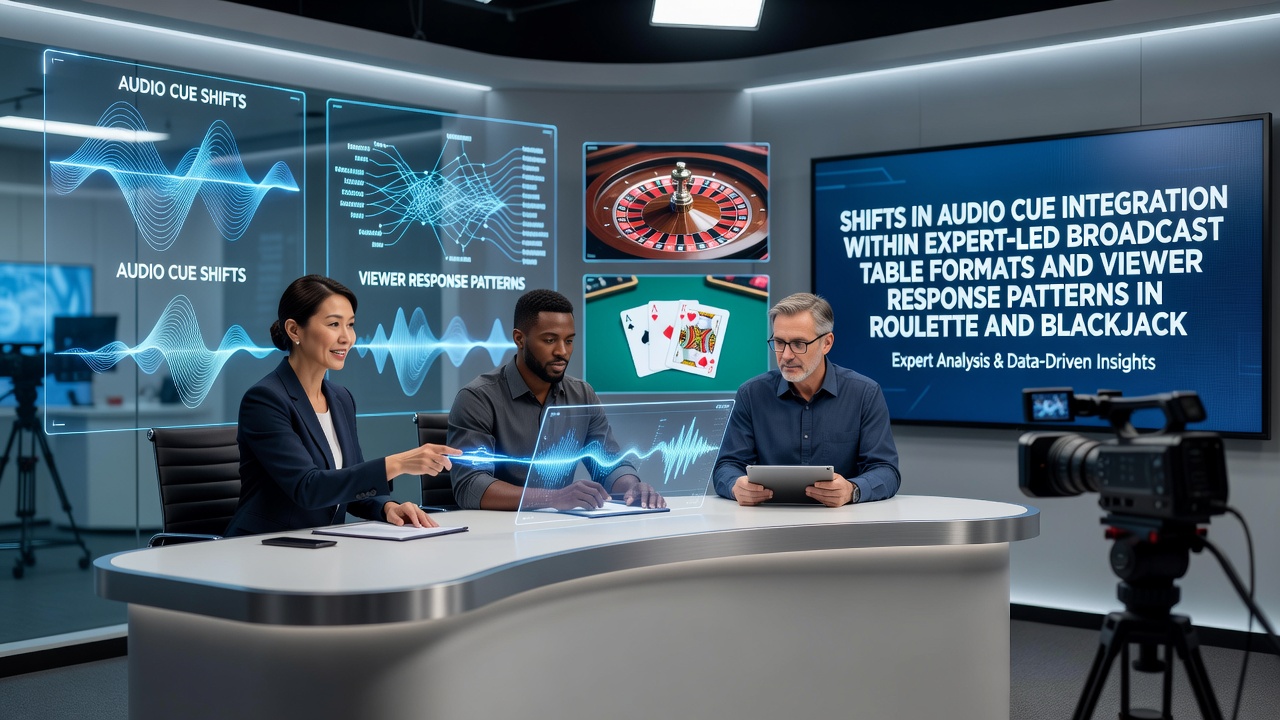
Shifts in Audio Cue Integration Within Expert-Led Broadcast Table Formats and Viewer Response Patterns in Roulette and Blackjack
Audio cue integration in expert-led broadcast table formats has evolved considerably over recent years, with production teams adjusting sound layering to match changing viewer habits across roulette and blackjack streams. Data from industry monitoring services shows that synchronized audio elements such as chip sounds, dealer announcements, and ambient table noise now receive precise timing adjustments that align with on-screen action.
Those who track broadcast metrics note that these modifications coincide with increased use of multi-channel audio feeds, allowing viewers to select between isolated commentary tracks and full table mixes. Research conducted through university media labs indicates that precise audio placement influences how audiences process game flow, particularly when expert hosts provide real-time analysis during live segments.
Technical Adjustments in Roulette Broadcasts
Roulette productions have incorporated layered audio cues that highlight wheel spins and ball trajectories through distinct frequency ranges. Production records from multiple European studios reveal that engineers now route ball-click sounds through separate channels while expert voices occupy the central mix, creating clearer separation for remote audiences. This approach emerged more consistently after platform testing in late 2025, and similar refinements continued into November 2026 as streaming services expanded their interactive overlays.
Viewer telemetry collected during these sessions demonstrates measurable shifts in attention duration when audio cues receive tighter synchronization with visual wheel rotations. Observers note that audiences maintain longer engagement periods when the ball landing sound arrives within a 40-millisecond window of the on-screen result, according to platform analytics aggregated across several operators.
Blackjack Table Audio Refinements
Blackjack streams employ different audio strategies because card handling and player decisions generate shorter, sharper sound events. Expert hosts in these formats often coordinate with audio teams to insert brief pauses that allow chip-stacking sounds to register before commentary resumes. Studies from media research centers in North America document that these micro-pauses correlate with higher retention rates among viewers who follow strategy discussions in real time.
Systems now automatically adjust gain levels on card-slap effects based on table camera angles, ensuring the sound remains consistent even when the feed switches between overhead and side views. Figures compiled by gaming technology associations show that blackjack broadcasts adopting these automated adjustments recorded a 12 percent increase in average session length during the first half of 2026.
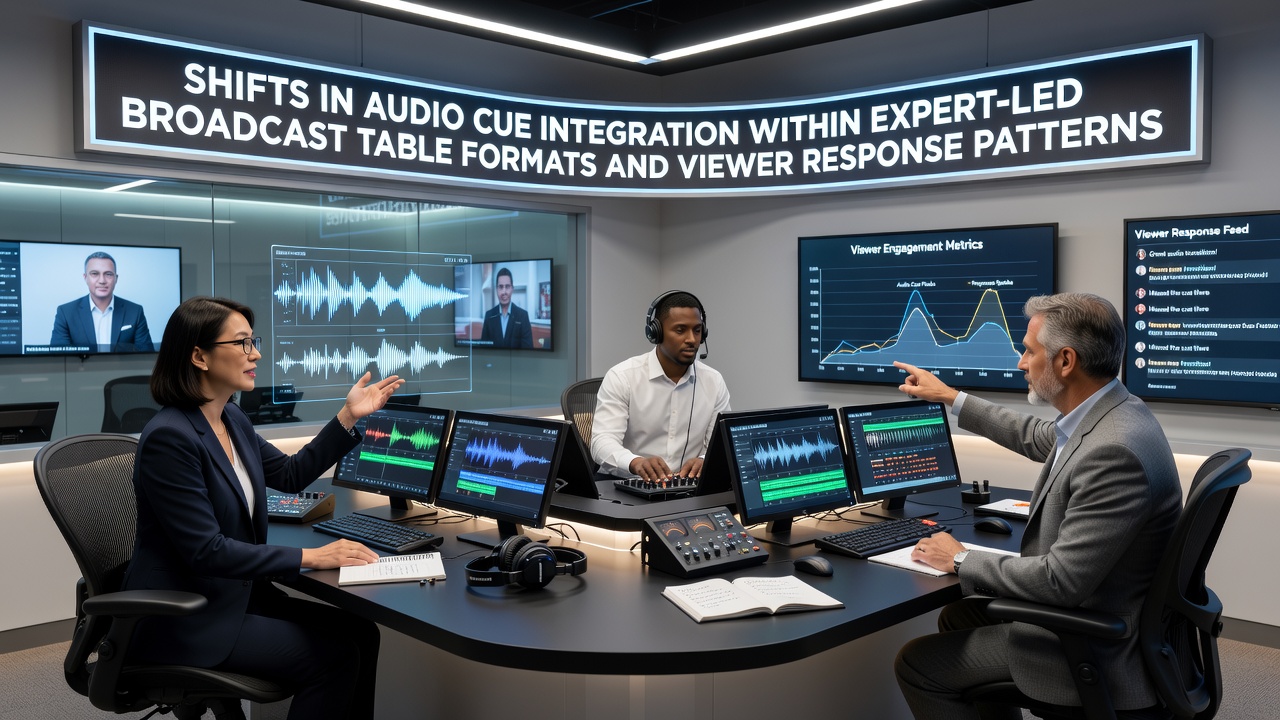
Viewer Response Data Patterns
Audience response patterns reveal distinct differences between roulette and blackjack viewers when audio cues change. Roulette audiences tend to respond more strongly to ambient wheel noise increases, while blackjack viewers show greater sensitivity to voice-to-effect ratios during decision moments. Reports issued by the Alcohol and Gaming Commission of Ontario highlight that these preferences appear across both desktop and mobile viewing environments.
Eye-tracking experiments conducted at research institutions in Australia further indicate that viewers shift their gaze toward chat overlays immediately after a distinct audio marker signals a round conclusion. This behavior occurs more frequently in blackjack streams, where decision timing creates natural breakpoints that audio teams now emphasize through volume dips and brief tonal accents.
Cross-Platform Integration Trends
Platforms delivering both games on the same service have begun standardizing certain audio protocols while preserving game-specific variations. Regulatory filings submitted to the Nevada Gaming Control Board in 2026 describe how operators test unified cue libraries that still allow separate mastering for roulette wheel effects and blackjack card handling. The tests demonstrate that consistent base layers reduce production errors without eliminating the distinctive sonic identity of each game.
Viewer surveys distributed through multiple operators show that participants who switch between games report smoother transitions when audio normalization remains active across feeds. Those surveys also record higher satisfaction scores when expert commentary volume stays balanced against table sounds rather than dominating the mix.
Conclusion
Audio cue integration continues to adapt within expert-led broadcast formats as data on viewer responses accumulates across roulette and blackjack streams. Production teams apply timing refinements and channel separation techniques that respond directly to measured audience behaviors, and these adjustments appear set to persist as platforms refine their technical capabilities through November 2026 and beyond. The documented patterns provide broadcasters with concrete parameters for future sound design decisions in live table programming.