Studio Layout Choices and Their Effects on Strategy Use in Interactive Dealer-Led Blackjack Streams
Kirjoittanut Ulrich Lange · 14.10.2026
Studio Layout Choices and Their Effects on Strategy Use in Interactive Dealer-Led Blackjack Streams
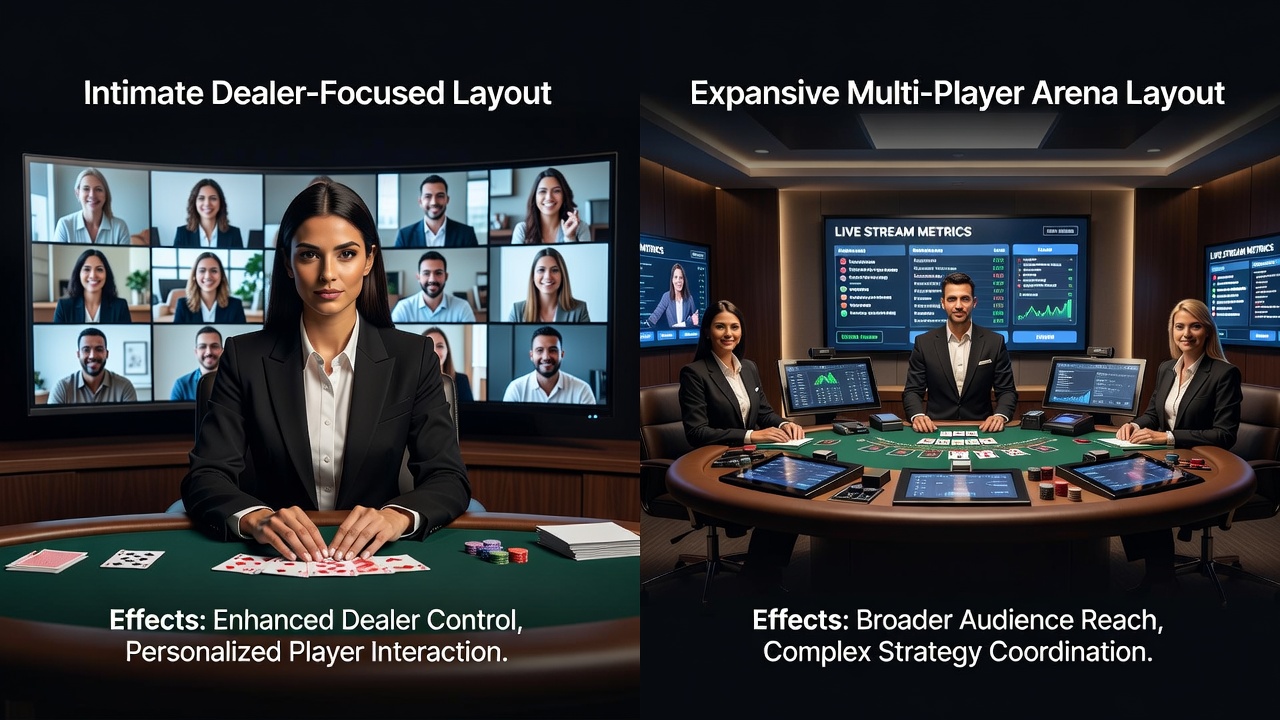
Studio layouts in interactive dealer-led blackjack streams shape the way players access visual information and respond to timing signals during sessions. Arrangements that position overhead cameras directly above the felt surface give clearer sightlines to card values and discard piles, while side-angle setups emphasize dealer hand movements and chip placements. Data from industry tracking services indicate that these choices correlate with shifts in how often viewers apply basic strategy adjustments or track running counts in real time.
Key Elements of Studio Configurations
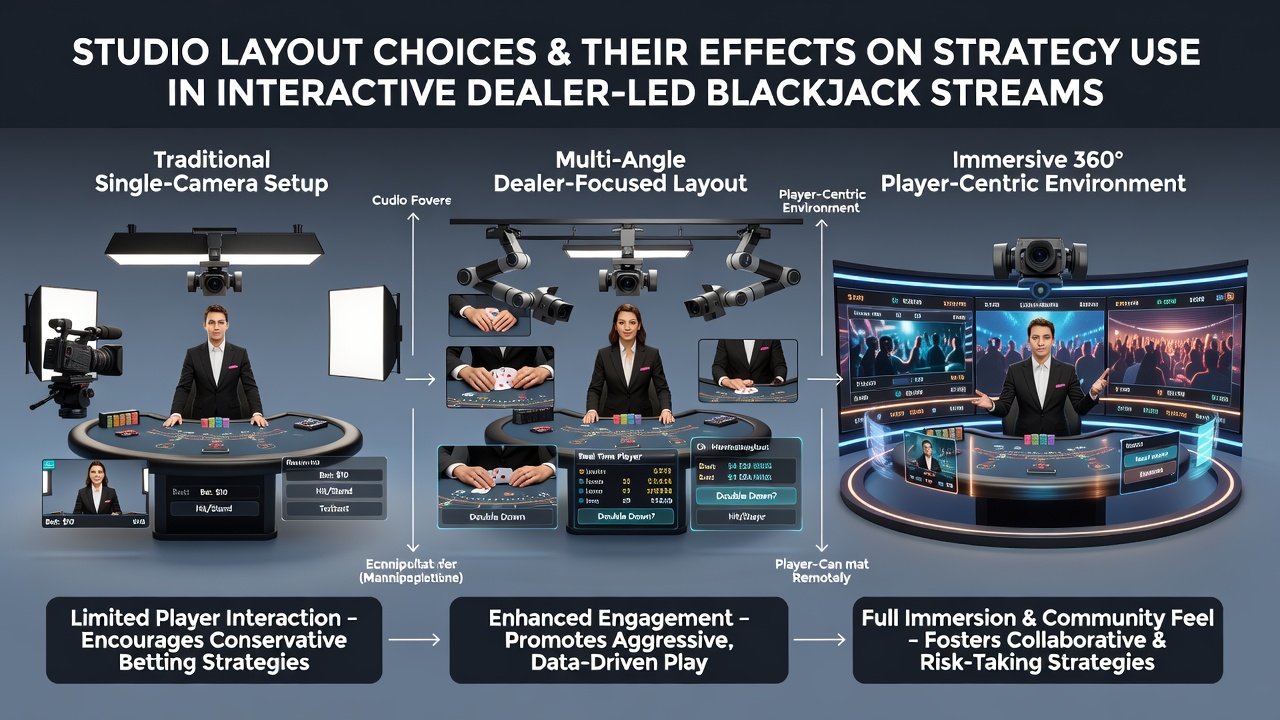
Tables equipped with embedded LED lighting and fixed camera mounts create consistent sightlines that reduce shadows on playing cards, whereas modular setups with movable rigs allow operators to switch between wide shots and close-ups mid-round. Researchers at the University of Nevada, Las Vegas have documented how background elements such as monitor walls and secondary dealer stations influence viewer focus, with data showing that cluttered backdrops can extend decision times by several seconds per hand. In October 2026, reports compiled by the Nevada Gaming Control Board noted a measurable uptick in stream configurations that incorporated split-screen views, coinciding with increased adoption of multi-deck strategy charts among regular participants.
Seating positions for the dealer relative to primary lenses also matter. When the dealer faces a central overhead camera, players gain unobstructed views of the shoe and burn cards, which supports more precise tracking of remaining high-value cards. Side-mounted cameras, by contrast, highlight facial expressions and hand gestures that some viewers use to infer shuffle timing or deck penetration levels. Observers note that these layout variations appear across major platforms without any single standard emerging as dominant.
Visibility Impacts on Decision Patterns
Clear card visibility directly affects the frequency with which players consult strategy tables during live play. Streams that maintain consistent top-down framing show higher rates of correct basic strategy adherence according to session analytics released by European gaming analytics firms. When lighting creates glare on the table surface, participants tend to pause longer before placing insurance bets or splitting pairs, even in situations where the count remains neutral. Those who've studied these patterns report that glare-related delays cluster around specific table angles rather than random occurrences.
Multi-camera layouts that alternate between overhead and peripheral views allow viewers to cross-reference dealer upcards with burn card sequences more effectively. This setup supports card counting methods that rely on both visual confirmation and audio cues from the shuffle machine, while single-camera configurations limit the data points available in each frame. Studies released by the European Gaming and Betting Association in 2025 found that streams using hybrid camera systems recorded 18 percent more instances of count-based deviations than those limited to fixed angles.
Timing and Pacing Considerations
Dealer pacing interacts with layout design because camera placement determines how quickly viewers can register new cards and respond. Layouts that keep the shoe and discard tray in the same frame reduce the need for viewers to switch mental focus, which shortens the interval between card reveals and betting actions. When operators place secondary monitors behind the dealer, some players use those displays to anticipate upcoming rounds and adjust bet sizing accordingly before the next hand begins.
Interactive features such as real-time chat overlays can further modify strategy application when positioned near key table elements. Overlays that cover portions of the discard pile obscure information that counters rely on, leading to fewer advanced plays during those segments. Platforms that adjust overlay transparency based on layout testing report fewer viewer complaints about obscured cards, though aggregate strategy usage data remains consistent across different transparency settings.
Adaptations Across Different Viewer Groups
Experienced players often select streams based on layout characteristics that align with their preferred counting systems. Those using hi-lo methods tend to favor configurations with prominent discard tray visibility, while players focused on basic strategy show less sensitivity to camera angle variety. Session logs from October 2026 indicated that new viewers gravitated toward layouts offering tutorial-style close-ups, whereas long-term participants stayed with streams that maintained steady overhead framing throughout entire shoe cycles.
Regional regulatory updates have also influenced layout experimentation. Jurisdictions outside traditional markets have begun requiring minimum camera coverage standards for licensed interactive tables, which has prompted operators to standardize certain sightline elements while still varying background and lighting choices. These requirements appear to stabilize strategy application rates without eliminating creative layout options entirely.
Conclusion
Studio layout decisions in interactive dealer-led blackjack streams continue to evolve alongside viewer habits and regulatory expectations. Configurations that prioritize clear card visibility and consistent timing cues correlate with steadier strategy use across different player segments, while more experimental arrangements introduce variability in decision speed and deviation frequency. Ongoing data collection from multiple regulatory regions will likely clarify which layout features produce the most predictable outcomes for strategy-focused participants.